Weeks 1–2 · Assess and prioritise
Essential Eight maturity assessment against ML1, asset discovery, identity audit, and a risk register ranked by commercial impact rather than technical severity.


This Essential Eight case study follows a 12-week security uplift for an Australian mining services contractor. Compuloop strengthened access, devices and site networks, then built the evidence needed for a tender review.
Project technologies and related platforms we support




The contractor had grown from a two-crew operation into a $60M contractor in eight years. IT grew reactively with it. When the business tendered for a major expansion project, the client's pre-qualification pack included a 40-question cybersecurity section on identity, patching, backup, incident response and supply chain risk. The contractor could answer perhaps six with confidence.
The submission came back non-compliant on security. Pricing was never opened. For a business whose growth model depended entirely on winning Tier 1 work, this was an existential commercial problem being managed internally as an IT annoyance.
MFA on 6 of 180 users. Fourteen accounts with tenant-wide admin. One shared local administrator password across four offices and three mine sites. Two Windows Server 2008 R2 hosts still in production. Patch compliance at 34%. No incident response plan, no asset register, default 90-day audit retention.
Three risks dominated. The shared local admin credential meant one infected site laptop could pivot into estimating, payroll and contract data. Unpatched internet-facing services had been exposed for 18 months — which triggered an emergency change on day three. And most at once damaging, the contractor could not evidence its controls, which is what actually lost the tender. Its security was better than its records. The client bought the records.
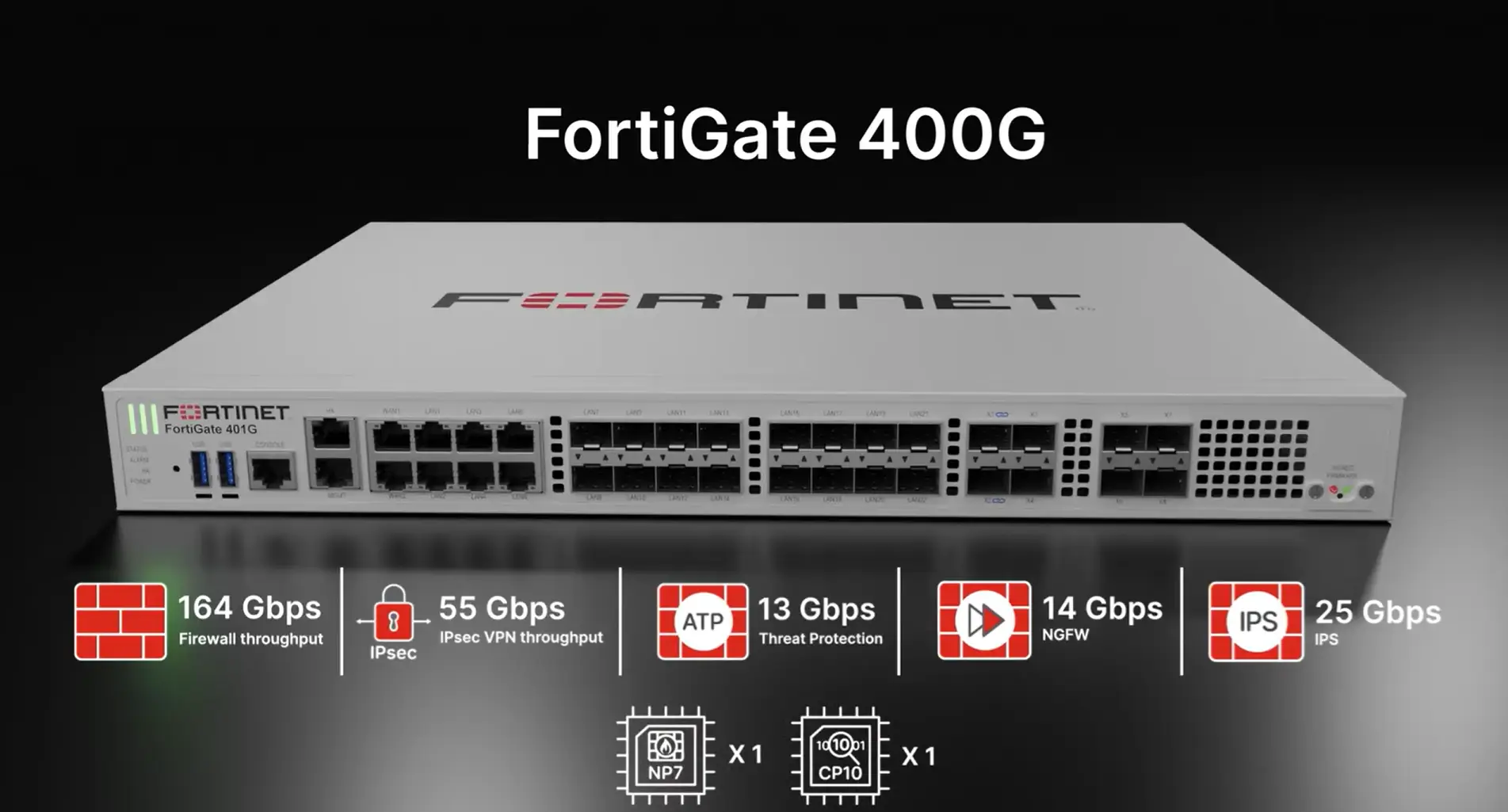
A firewall is one part of the wider network design. Segmentation, access rules and ongoing management matter alongside the hardware.
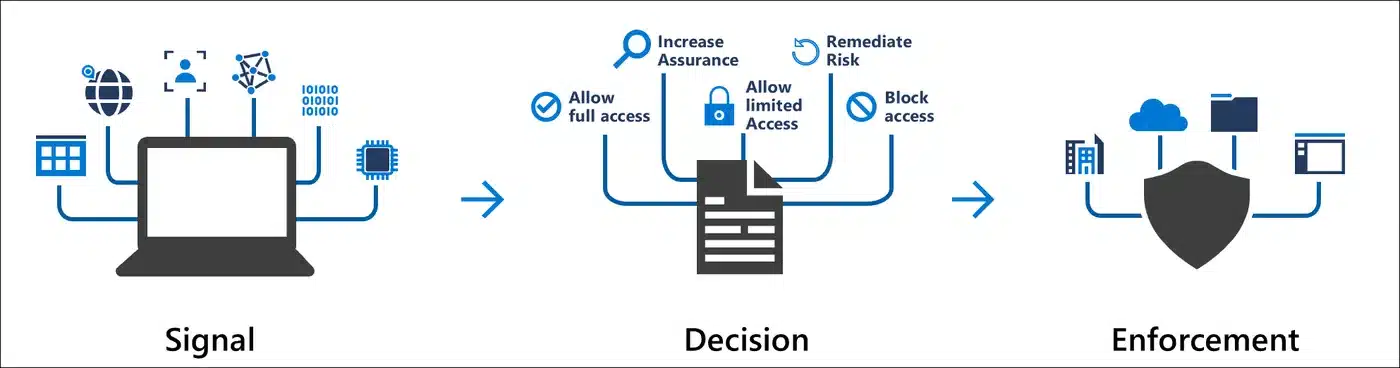
Microsoft Entra Conditional Access evaluates signals and applies access controls. It helps explain the identity controls described in these projects.

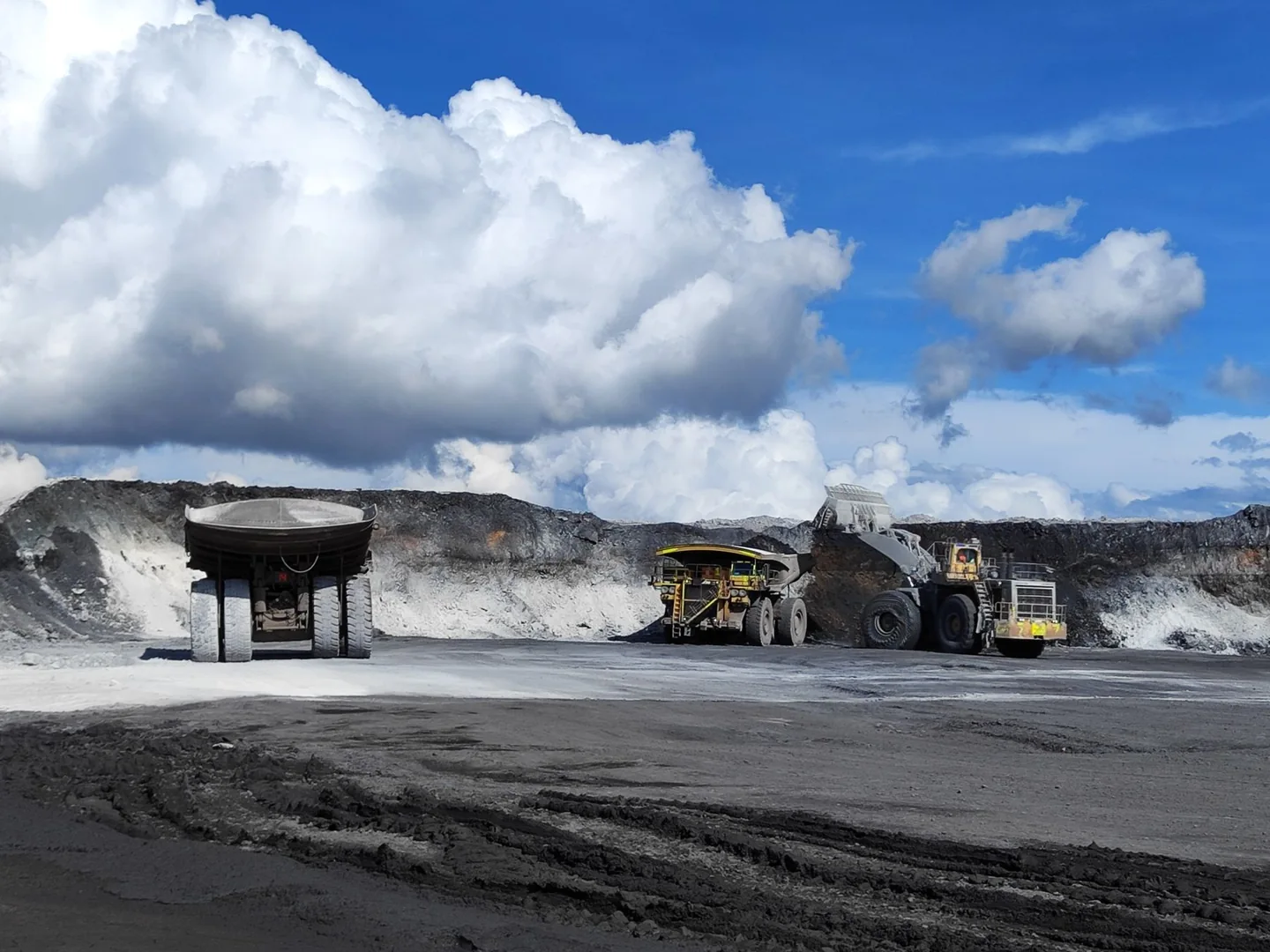
Remote mining operations make secure access and recoverable systems especially important.
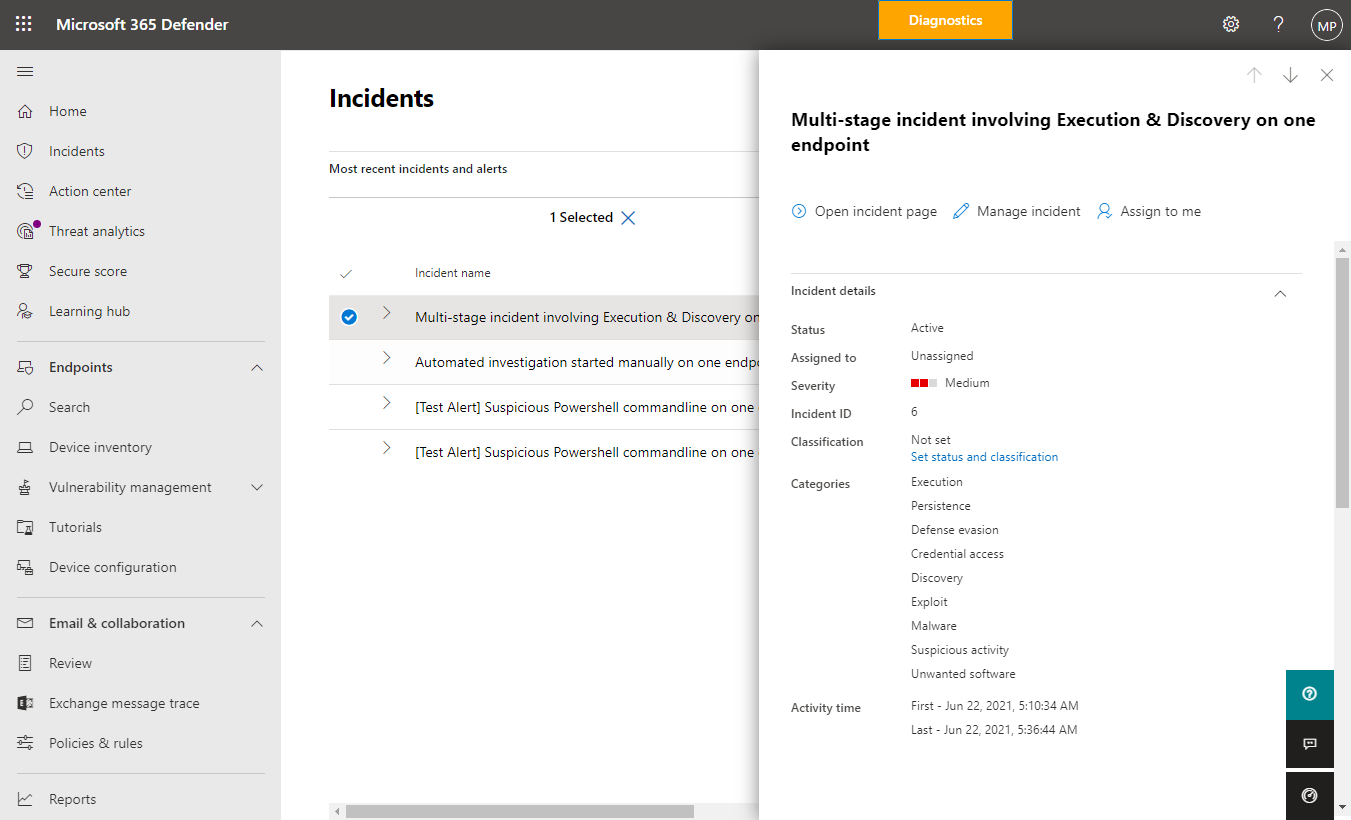
A Microsoft demonstration screen illustrates security incident triage.
Essential Eight maturity assessment against ML1, asset discovery, identity audit, and a risk register ranked by commercial impact rather than technical severity.
Entra ID P1, conditional access, MFA with number matching. Admin roles cut from 14 to 3 with separate privileged accounts. Legacy authentication blocked. DMARC to p=reject with DKIM and SPF corrected.
Intune enrolment across 180 endpoints, update rings replacing ad-hoc WSUS, 2008 R2 hosts retired by migrating file shares to SharePoint and Azure Files. SentinelOne across all endpoints and site servers.
FortiGate policy review, LAPS, USB control, segmented site networks separating office, day-to-day technology and guest. Managed UniFi Wi-Fi with per-site isolation.
Incident response runbook, asset register, 12 months of centralised logging, and a 26-page evidence pack mapping each control to the client questionnaire with live setup exports.
The project also established repeatable processes. These controls support ongoing operation after the initial rollout.
Talk through your priorities, current systems and next practical step with Compuloop.
The following before-and-after figures relate to this engagement. The scope and starting position matter when comparing them with another business.
| Measure | Before | After |
|---|---|---|
| MFA coverage | 3% | 100% |
| Accounts with tenant-wide admin | 14 | 3 (privileged) |
| Patch compliance (30-day) | 34% | 96% |
| Unsupported server OS | 2 | 0 |
| Phishing simulation click rate | 31% | 6% |
| Tender cybersecurity section | Non-compliant | Compliant |
New starter onboarding
Monthly patch admin
Helpdesk ticket volume
Tender security response (was a quarter)
Project-specific financial model. Avoided losses and productivity benefits are estimates, not guaranteed cash savings or returns.
| Line item | Value |
|---|---|
| Project investment (12 weeks) | $68,000 |
| Contract value progressed | $18,000,000 |
| Contract margin at 9% (typical Tier 1 civil) | $1,620,000 |
| Avoided cost: deferred Tier 1 panel entry (18 months) | $12M–$20M deferred revenue |
| Annual recurring: patching and onboarding time saved | ~$14,400 / yr |
| Annual recurring: tender response effort reduced | ~$22,000 / yr |
| Payback | Under 2 months against contract margin |
Background guidance: read the relevant official framework or product documentation. This explains the technology; it is not independent verification of this client project.
If this essential eight case study reflects a problem in your business, start with a scoped conversation. Tell us about your sites, people, systems and current priorities. We can then identify the right assessment, the practical constraints and the evidence you need.